
Loading Gola Holidays...
Loading Gola Holidays...
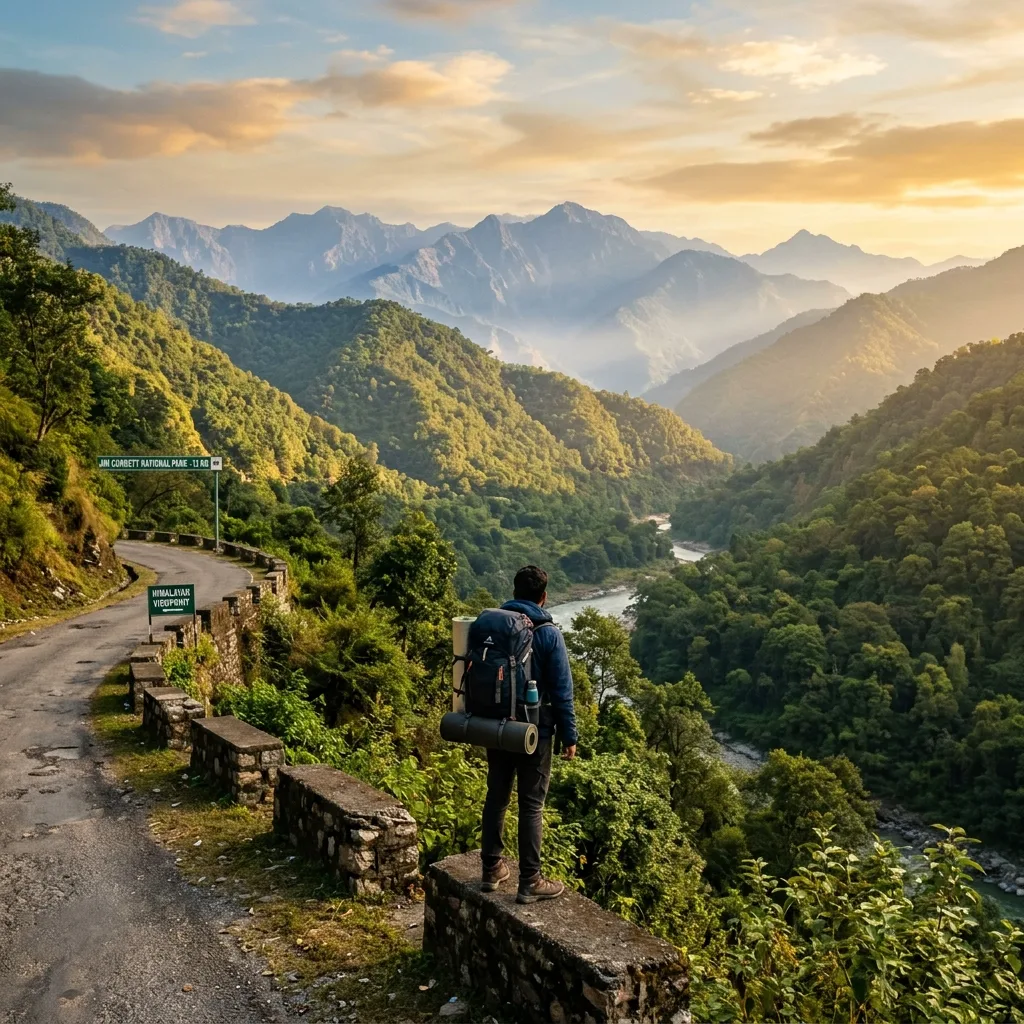
Jim Corbett National Park is divided into distinct eco-tourism zones managed by the Forest Department. Discover gates, permit guidelines, and season dates below to choose the perfect zone for your wilderness safari.
High-security conservation zones inside the core tiger reserve boundaries. Permits are strictly limited and open exactly 45 days in advance.
 Most Popular / High Demand
dhikala safari zone
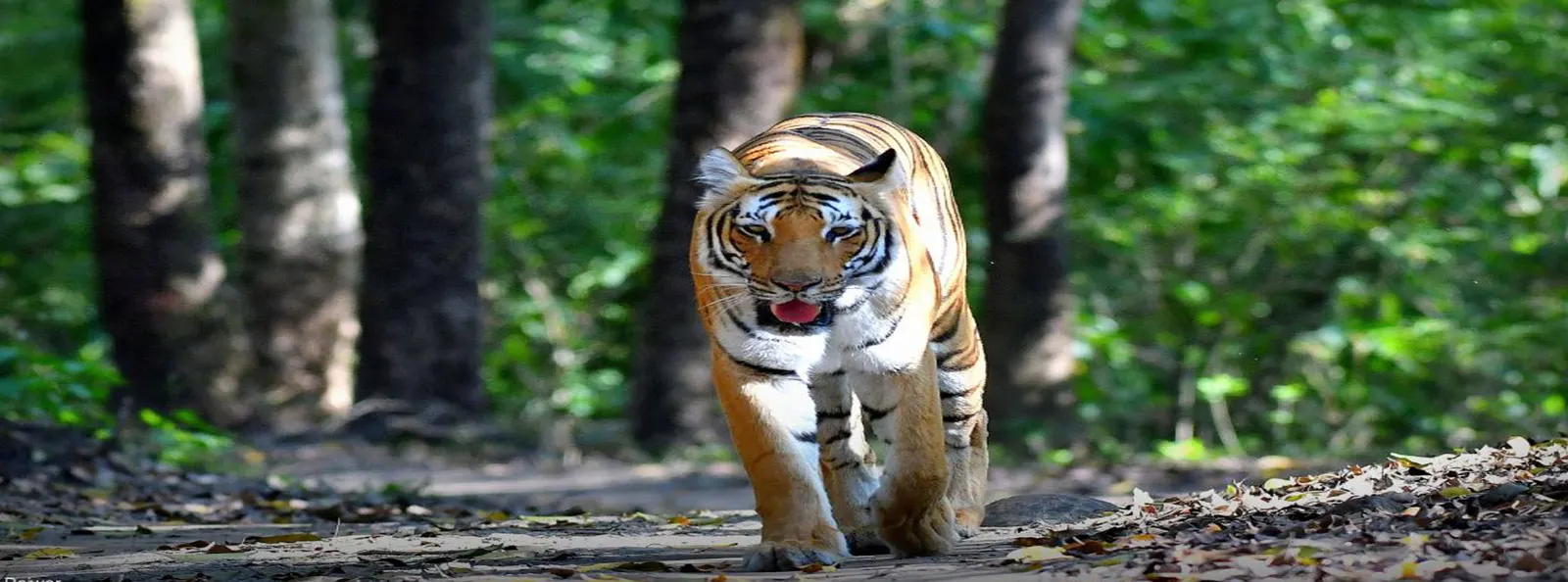
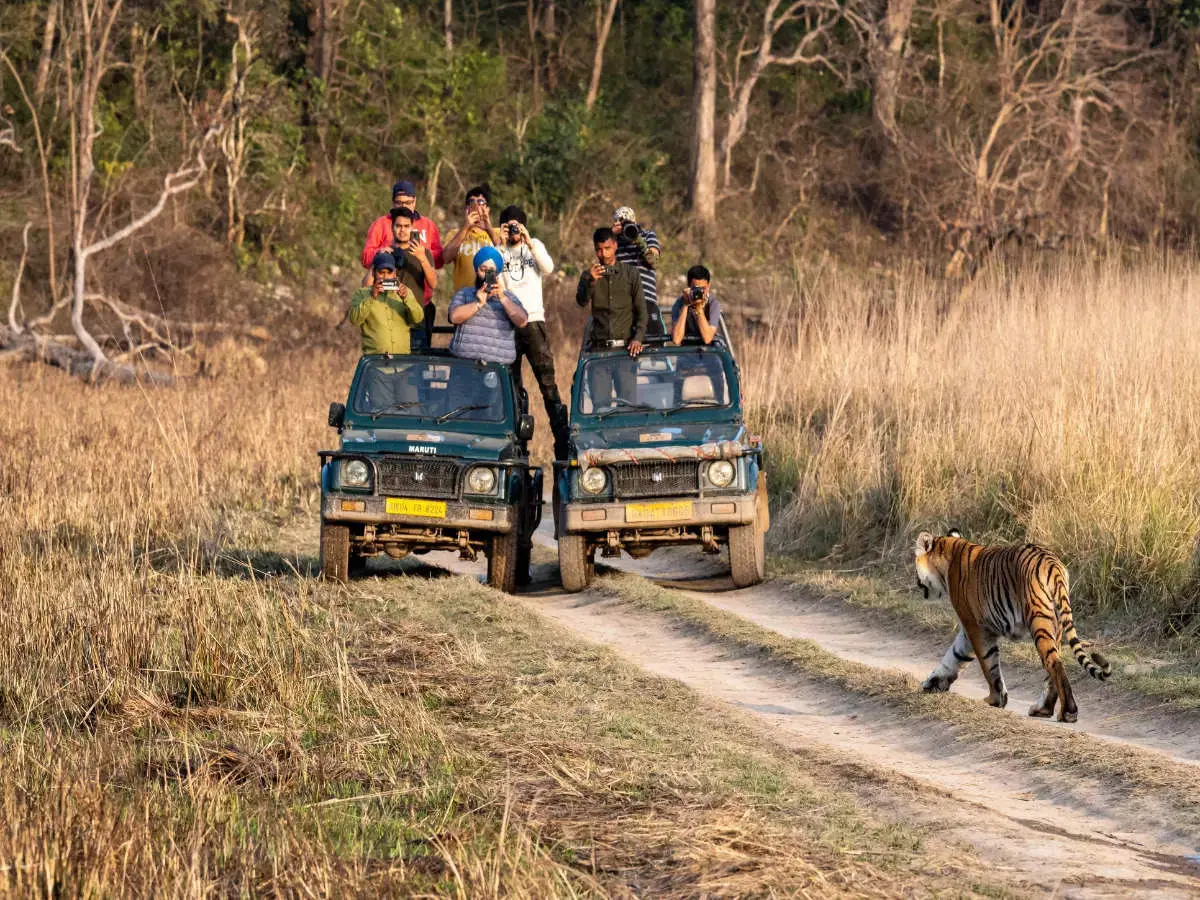
Dhikala is the crown jewel of Jim Corbett National Park — the largest, most famous, and most wildlife-rich zone in India's oldest tiger reserve. Situated deep in the Patli Dun valley, the zone is dominated by the expansive Dhikala Chaur, one of the largest grasslands in any Indian national park, flanked by dense Sal and Haldu forests and the sinuous Ramganga reservoir. This is the territory where Bengal tigers roam freely, Asian elephant herds graze at dawn, and mugger crocodiles line the sandy riverbanks. Dhikala's primary trail system — covering the Chaur, Ramganga Point, and the Kanda Ridge viewpoint — offers unparalleled wildlife density. Tiger sighting probability here reaches 35–40% on winter morning safaris, the highest of any Corbett zone. Day visitors access Dhikala exclusively via the government-run 16-seater Canter Safari, which departs from Dhangarhi Gate. Private jeep safaris are reserved for guests staying at the legendary Dhikala Forest Rest House (FRH), which must be booked 45 days in advance — slots vanish within minutes of opening. Best visiting months are November through February for cool weather and excellent visibility across the grasslands. The zone also supports leopard, wild boar, hog deer, and over 400 bird species including the endangered Pallas's Fish Eagle.
 Excellent Tiger Sightings
core safari zone
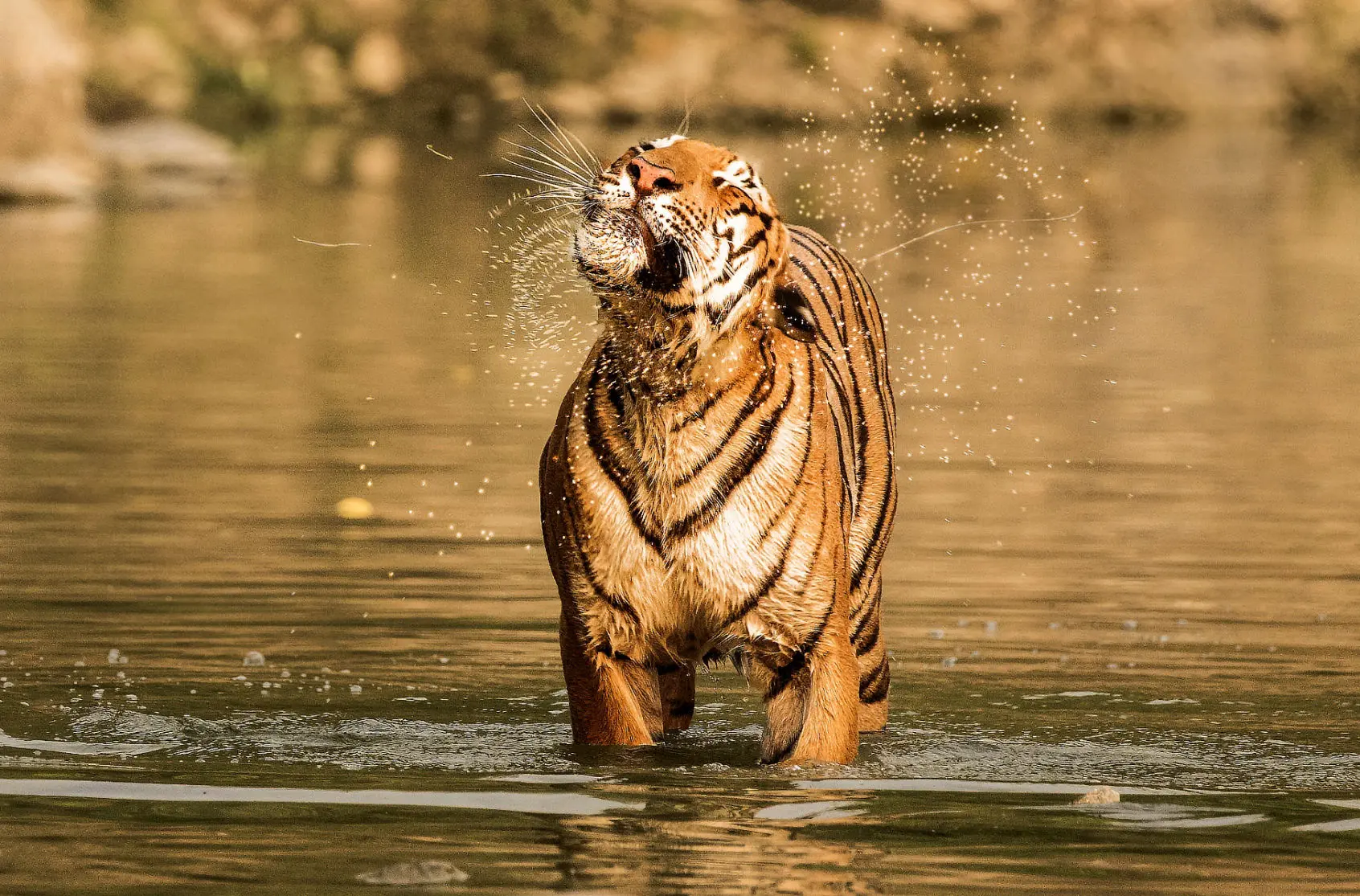
Bijrani is the most accessible and most popular jeep safari zone in Jim Corbett, located just 12 km from Ramnagar town via the Amdanda Gate. The zone covers a mosaic of dense Sal forest, open patches of grassland, and the seasonal Bijrani Nala watercourse — a combination that makes it a reliable hunting ground for tigers and leopards throughout the winter season. The primary safari trails wind through core tiger territory: the Bijrani Chaur (open meadow), the Pipal Padav area known for frequent elephant sightings, and the forested ridges along the nala that are favoured by leopards at dawn. Tiger sighting probability in Bijrani runs at 20–25% during the peak November to February window, making it the second-best zone after Dhikala. Bijrani is ideal for first-time Corbett visitors, families with children, and short weekend trips from Delhi. The well-maintained tracks are suitable for all vehicle types and the 4-hour safari slots (morning and afternoon) are manageable for young children. Two Forest Rest Houses — Bijrani and Mailani — are available for overnight stays inside the zone, giving guests access to private jeep drives at first light when tiger activity is highest. Best months are November through February; the zone typically closes by late June before monsoon.
 Open Year-Round
core safari zone
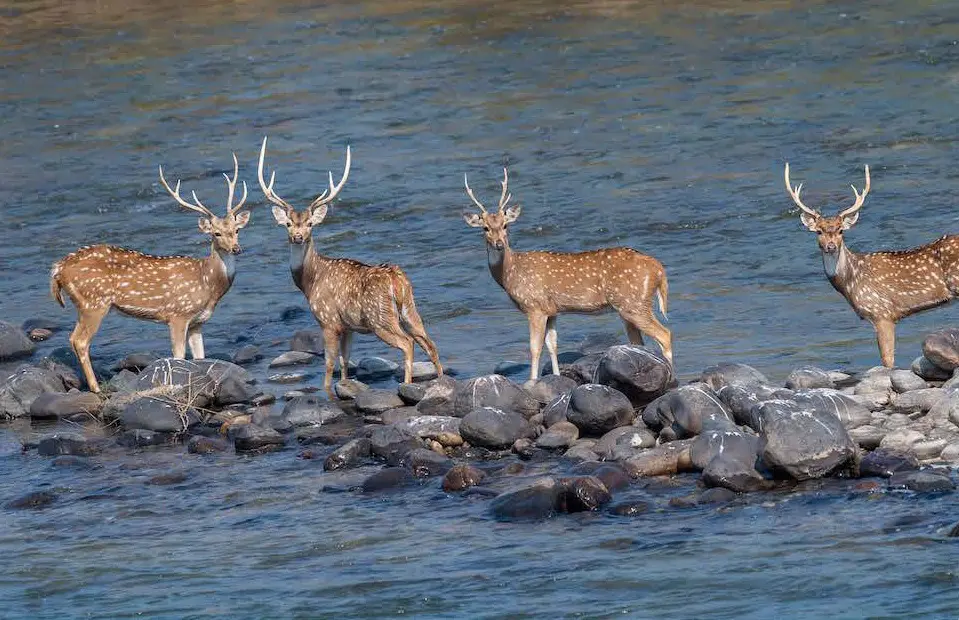
Jhirna is Jim Corbett's year-round safari zone on the park's southern boundary, making it the go-to choice for travelers who want a Corbett experience outside the November to June peak window. Accessed through Dhela Gate near the Dhela Forest Rest House, this zone offers a distinctive landscape of dense mixed forest, rocky outcrops, and dry riverbeds that stay accessible even during light monsoon periods when other core zones close. The Jhirna safari circuit follows the Jhirna Nala and surrounding ridgelines — terrain that is excellent leopard country, with sightings more frequent here than in the northern zones. Sloth bear, sambar, chital, wild boar, and Asian elephants are regularly encountered. Tiger sightings, while less frequent than Bijrani or Dhikala, occur reliably in the dry summer months (April–May) when animals congregate near the remaining waterholes. For serious birdwatchers, Jhirna is exceptional — the rocky terrain, dense canopy, and seasonal nala attract rarities including the Crested Serpent Eagle, Ruddy Shelduck, and Brown Hawk-Owl. A Forest Rest House inside the zone allows overnight stays with private jeep access. Jhirna is also well-suited to budget-conscious travelers and off-season planners, and remains open even when all other core zones are closed during the monsoon.
 Lush Grasslands & Birds
core safari zone
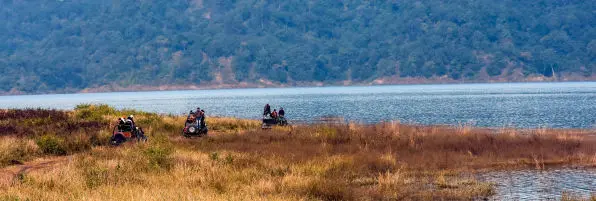
Dhela is one of Jim Corbett's newer eco-tourism zones, officially opened to improve visitor distribution away from the more crowded Bijrani and Jhirna circuits. Located near the southern boundary of the reserve and accessed through Dhela Gate, the zone covers a mixed landscape of sal forest, grassland patches, and the Dhela Nala watercourse that supports diverse herbivore populations year-round. As a year-round zone, Dhela is particularly useful for travelers planning visits between June and October when most core zones are monsoon-closed. The zone has lower footfall than Bijrani, which translates to quieter safaris and fewer vehicle queues at wildlife sightings — a significant advantage for photographers and wildlife enthusiasts who prefer a more intimate experience. Dhela is home to substantial Asian elephant herds, chital, sambar, wild boar, and occasional tiger and leopard movement from the adjoining core areas. Birdlife is rich along the nala, with kingfishers, herons, eagles, and seasonal migratory species. The zone's well-maintained tracks and relatively flat terrain make it suitable for families with young children. A Forest Rest House is available for overnight stays, offering the rare opportunity for private jeep safaris in a less-crowded environment.
 Scenic River Landscape
core safari zone
Garjia Zone is one of Jim Corbett's scenic core jeep safari areas, entered through Garjiya Gate near the famous Garjiya Devi Temple — a sacred riverside shrine that most visitors stop at before or after a safari. The zone sits along the Kosi River corridor, and its landscape blends open riparian grassland with mixed Sal and Banj Oak forest, creating a varied habitat that supports both forest and grassland species. Garjia offers excellent wildlife diversity across its main safari circuit, which follows the river-edge trails and inland forest paths. The zone is particularly known for chital (spotted deer) in large numbers, sambar, wild boar, and Asian elephants that cross the Kosi during morning hours. Tiger and leopard sightings, while less predictable than Bijrani or Dhikala, do occur, especially during the cool winter months when big cats are more active in daylight. For birdwatchers, the Kosi riverside habitat is outstanding — Ruddy Shelduck, Common Merganser, Great Thick-knee, Pied Kingfisher, and various raptors are regularly seen along the water's edge. The zone is well-suited for travelers staying in the Ramnagar-Garjiya corridor (within 10–15 km), offering a convenient half-day safari option that combines seamlessly with a Garjiya Devi Temple visit. Best months are October through February.
 Peaceful Birding Haven
core safari zone
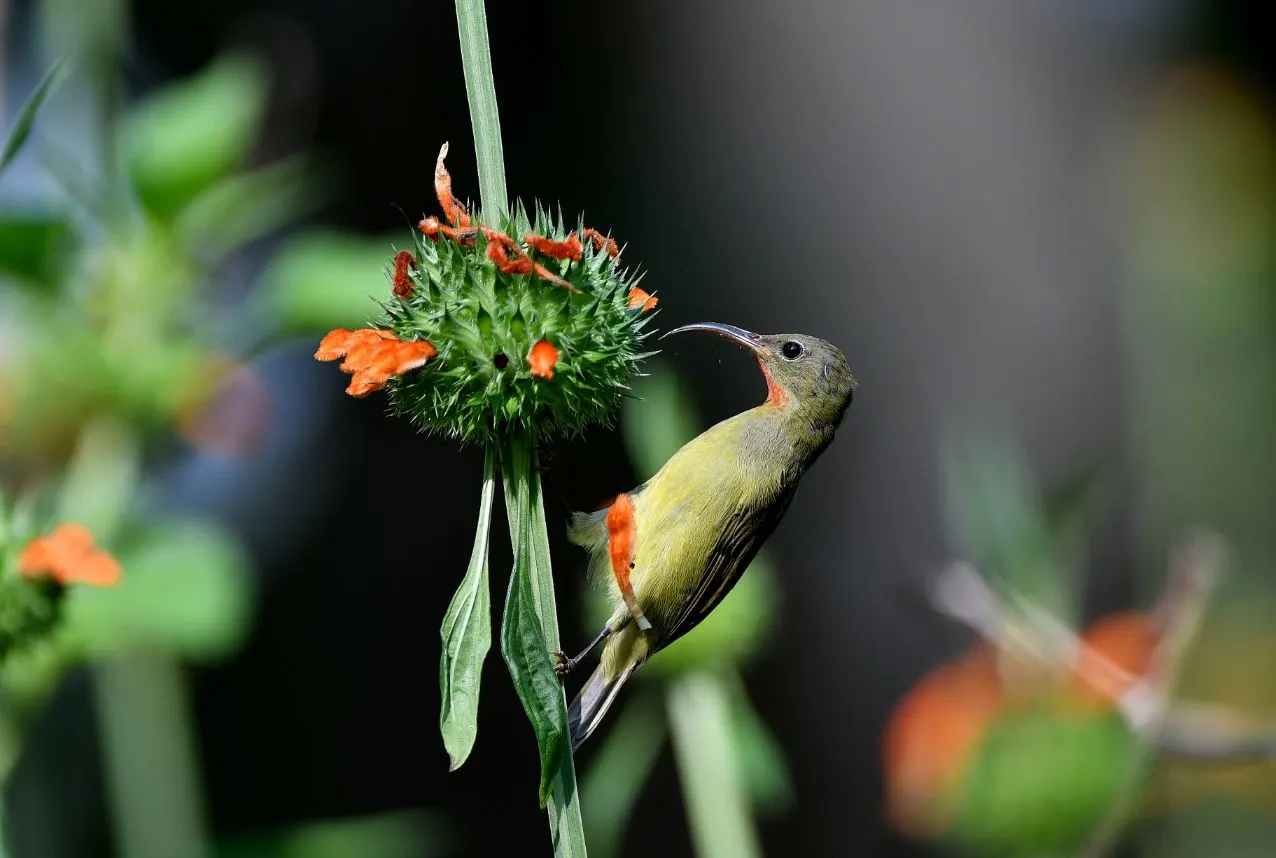
Durga Devi Zone is Jim Corbett's northeasternmost safari area, located on a hilly terrain along the Ramganga River's upper reaches near the Durgadevi Gate. The zone offers a distinctly different landscape from the southern zones — steep forested ridges, dense canopy of Sal and Rohini, narrow winding jeep tracks, and the rocky Ramganga riverbed that cuts through the northeast boundary. This zone is celebrated as Jim Corbett's premier birding destination. The Durgadevi circuit follows the riverside trail, elevation ridges, and internal forest roads — a combination that creates microhabitats for an extraordinary variety of resident and migratory birds. Notable sightings include the Great Hornbill, Himalayan Flameback, Rosy Minivet, Verditer Flycatcher, and dozens of warbler and thrush species during winter migration. The zone holds the Lohachaur Forest Rest House for overnight stays. For mammal sightings, Durga Devi is productive for elephants, sambar, barking deer, wild boar, and the occasional leopard or tiger moving through the corridors. Its higher elevation and cooler temperatures make it particularly pleasant from October through February. Visitors who combine Durga Devi with a Dhikala or Bijrani safari get a complete cross-section of Corbett's diverse habitat types.
Surrounding natural reserves and buffer forest divisions. Permits for these zones are more flexible, offering beautiful forest trails, ancient temples, and elephant sightings.
 Modern Treehouse Stay
Buffer Safari Zone
Phanto Zone is one of Jim Corbett's most exciting newer eco-tourism openings, located in the Sitabani Reserve Forest division accessed through Phanto Gate near Maldhan village. Unlike the restricted core zones, Phanto falls within the buffer division and remains open throughout the year — including the monsoon window when Dhikala, Bijrani, and Jhirna are closed to visitors. The zone is defined by its characteristic landscape: sal and sheesham forest interspersed with tall grasslands, scenic wooden watchtower viewpoints, and the unique Phanto Treehouse — one of the only treehouse night-stay experiences inside any Corbett forest division. The watchtowers provide elevated panoramic views over the forest canopy and are particularly productive for spotting deer herds, wild boar, and the occasional leopard at dusk. Phanto's wildlife profile features high-density spotted deer (chital), sambar, wild boar, Asian elephants, and active bird corridors used by resident and migratory species. While tiger sightings are rarer than in the core zones, leopard activity is regular. The treehouse experience draws photography enthusiasts and nature seekers who want an immersive forest night without the intense competition for Dhikala FRH slots.
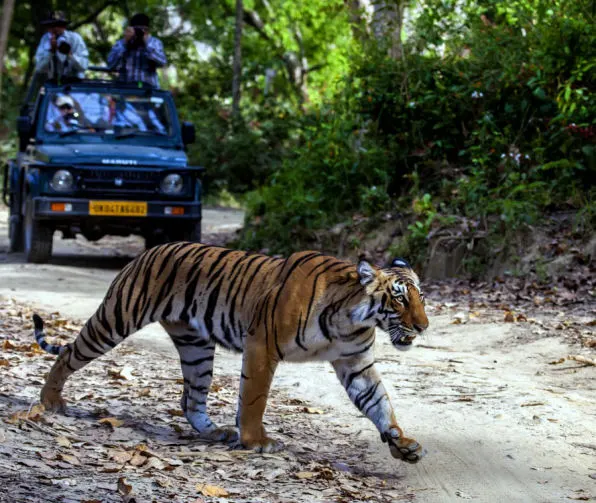 Popular Day Safari
Buffer Safari Zone
Tedha Zone is located in the Sitabani Reserve Forest division on the edge of Ramnagar town, making it the closest safari experience to Corbett's main township. Entered through Tedha Gate, the zone follows gravel forest tracks and water canal crossings that give it a distinctly different texture compared to the core zones — quieter, more accessible, and perfectly suited for a short 3–4 hour wildlife drive. The Tedha circuit winds through a combination of mixed deciduous forest, tall grass corridors, and several seasonal water channels. These canal crossings are a defining feature of the safari experience here — jeeps navigate shallow rocky fords that feel genuinely immersive, especially during the monsoon-adjacent months when water levels are higher. The landscape is rich in Asian elephant movement, sambar, spotted deer, and an active avian community including waterfowl and raptors along the channels. As a Sitabani buffer zone, Tedha remains open throughout the year — including the June to October window when core zones close. This makes it a practical fallback option for travelers visiting Corbett outside peak season, and an excellent first-stop or post-safari excursion for guests based in Ramnagar itself. For photography enthusiasts, the canal crossing sequences and dense canopy light offer excellent opportunities that differ from the grassland-dominated core zones.
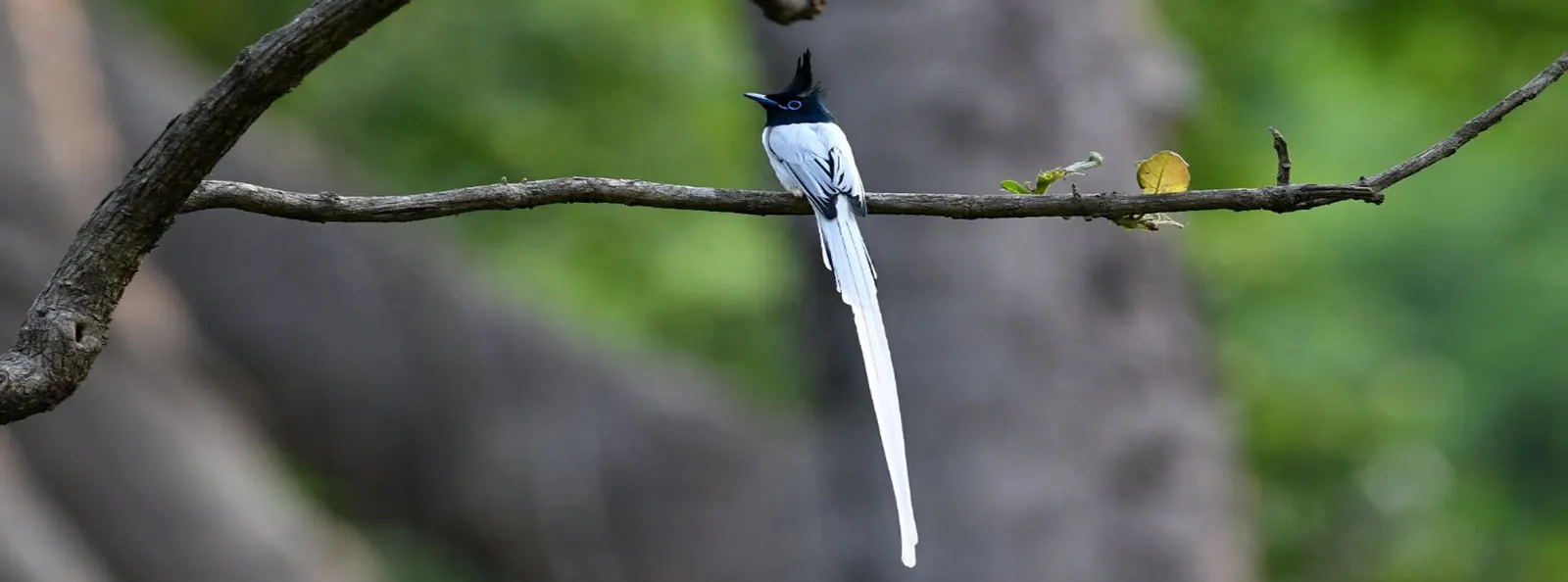 Birding Corridor
Buffer Safari Zone
Bhandarpani is one of the quietest and most pristine safari zones within the Sitabani Reserve Forest division of the Corbett Tiger Reserve. Accessed via Bhandarpani Gate, this zone covers a stretch of dense mixed deciduous forest that receives among the lowest visitor traffic of any operational Corbett safari zone — a fact that makes it especially attractive for serious wildlife photographers and birding enthusiasts who value solitude over high sighting frequency. The Bhandarpani safari circuit follows narrow forest tracks through a continuous Sal and Rohini canopy, with minimal open grassland breaks. This dense overhead cover creates excellent habitat for forest birds: the zone has active nesting corridors used by raptors, woodpeckers, and canopy-dwellers including the Crested Honey Buzzard and Indian Pitta during the warmer months. Elephant movement is frequent along the forest corridors, and wild boar, spotted deer, and sambar are commonly seen. For guests who have already done the core zone safaris in Bijrani or Jhirna and want to experience a contrasting, quieter side of Corbett's forest, Bhandarpani delivers a memorable and contemplative wildlife drive. The zone stays open year-round as a Sitabani buffer area, making it accessible even during the monsoon and early post-monsoon season.
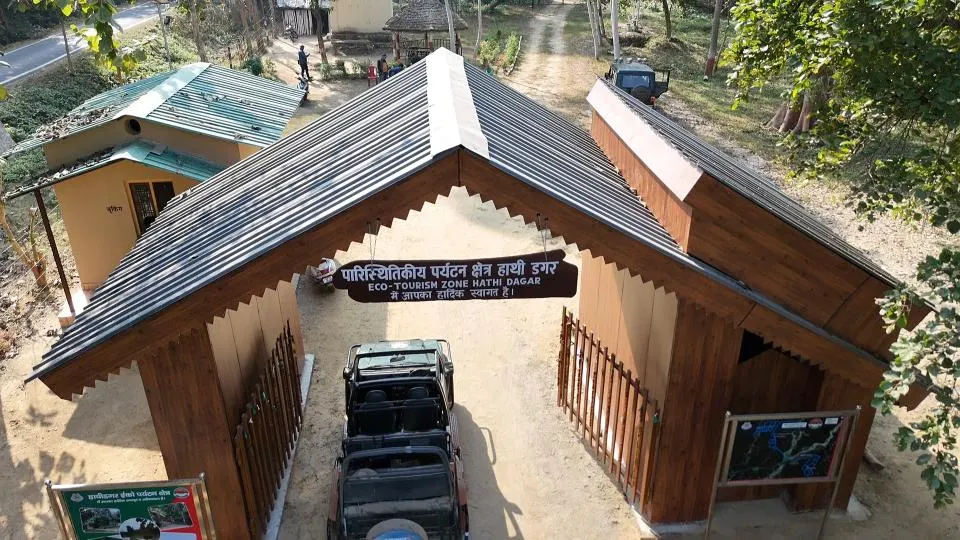 Elephant Crossing
Buffer Safari Zone
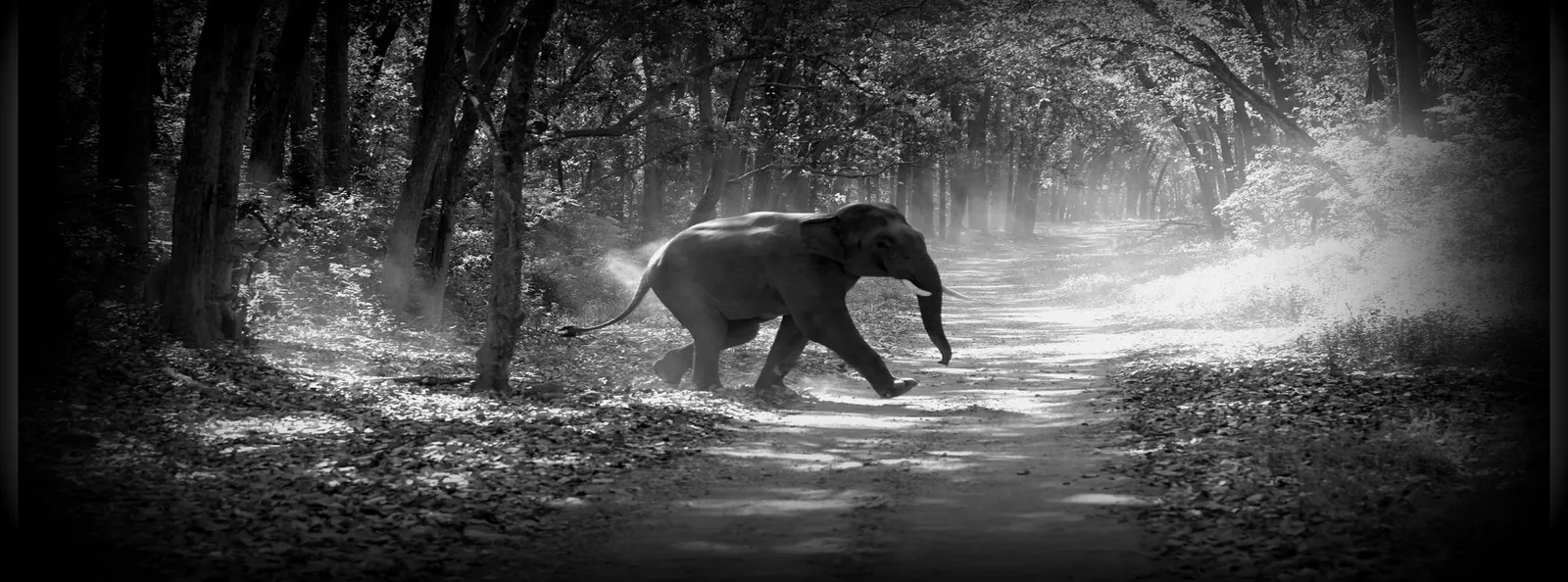
Hathidagar — literally 'elephant ridge' in Hindi — is one of the most recently inaugurated eco-tourism zones within the Ramnagar Forest Division adjacent to Corbett Tiger Reserve. The zone takes its name from the extensive elephant migration corridors that run through the landscape, and it lives up to its reputation: Hathidagar offers some of the most reliable and dramatic Asian elephant sightings anywhere in the Corbett region. The zone spans a landscape of vast open grasslands, wild riverbed tracks, and forest patches that form key connecting corridors between the Corbett core area and the Terai buffer forests. Safari jeeps follow the exposed gravel riverbeds and grassland edges — terrain that gives excellent visibility and allows for extended observations of elephant herds at close range, including matriarch-led family groups and young calves. Beyond elephants, the zone supports chital, sambar, wild boar, and occasional big cat movement through its open corridors. Birdlife is productive along the riverbeds — waders, raptors, and migratory species use these open habitat edges. As a year-round zone within the Ramnagar Forest Division, Hathidagar is accessible even during the June to October monsoon period, and its riverbed tracks are particularly dramatic during post-monsoon visits when water levels recede to reveal wide, wildlife-rich sandbars.
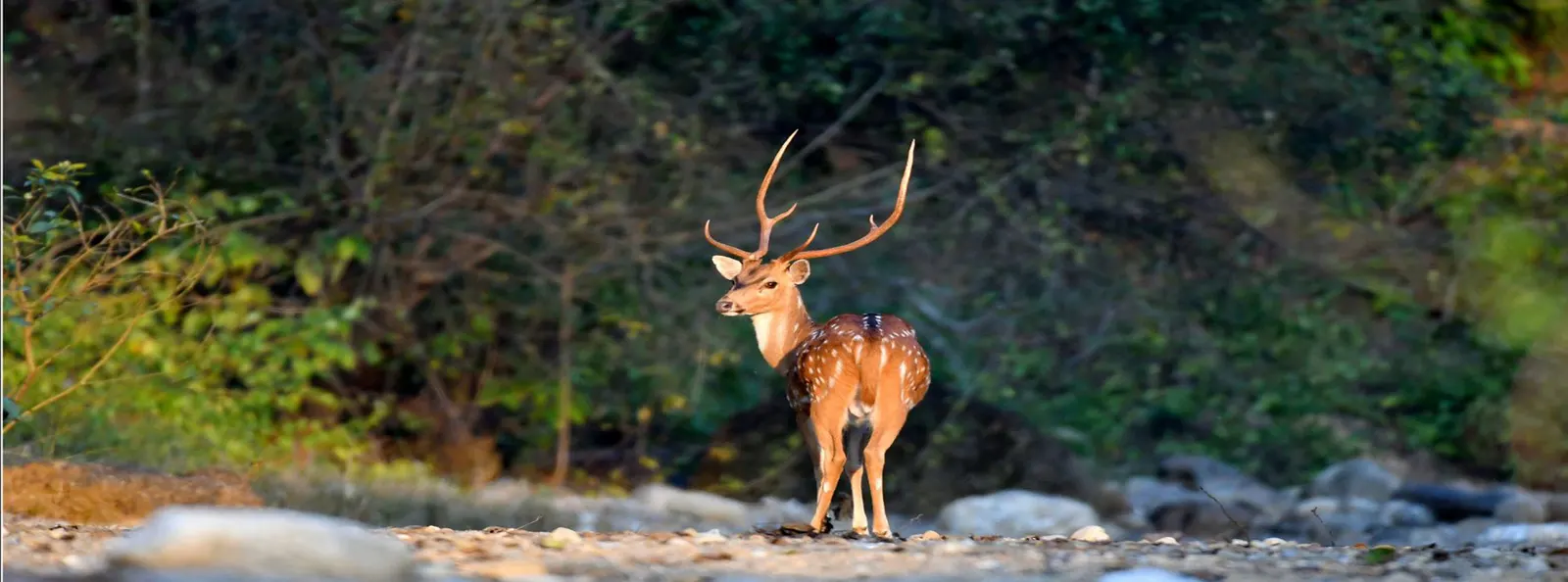 Historic Tiger Habitat
Buffer Safari Zone
Pawalgarh Conservation Reserve holds a singular place in wildlife history: it was the home range of the legendary 'Bachelor of Powalgarh' — a 10-foot Bengal tiger documented and ultimately hunted by Jim Corbett himself, whose accounts made this forest world-famous. Today, Pawalgarh is protected as a conservation reserve and managed for eco-tourism, offering a historically rich wildlife experience set in pristine Sal forest at the foothills of the Kumaon Himalayan range near Kotabagh. The zone is internationally recognised among birdwatchers as one of the finest birding destinations in the entire Kumaon-Terai belt, with over 350 bird species recorded. The undisturbed forest canopy, seasonal streams, and diverse habitat mosaic support an extraordinary variety of resident and migratory birds: the Great Hornbill, Malabar Pied Hornbill, Hill Myna, Blue-bearded Bee-eater, and dozens of warbler and thrush species during winter migration. For mammal watchers, Pawalgarh has a resident tiger population, leopards, Asian elephants, sloth bear, sambar, barking deer, and wild boar. The dense, untouched deciduous forest creates exceptional photographic backdrops. As a year-round accessible reserve, Pawalgarh is an outstanding off-the-beaten-path choice for travelers who want a less commercialised, historically significant wildlife destination within the greater Corbett landscape.
Different zones excel depending on your dates, travel duration, and hotel location. Talk to our local booking desk in Ramnagar for an honest suggestion.